
The process of purchasing a residential property in San Diego is an exercise in risk management, where the physical structure is often prioritized over the internal systems that ensure its functionality and safety.
In a market where the average price for a family home has reached approximately $1,085,000 (as of 2026), the stakes for identifying defects are higher than ever. Among these, the electrical network represents a unique situation: it is the most essential utility for modern living, yet it remains almost entirely hidden behind architectural finishes, making it the most frequent source of “invisible” hazards.
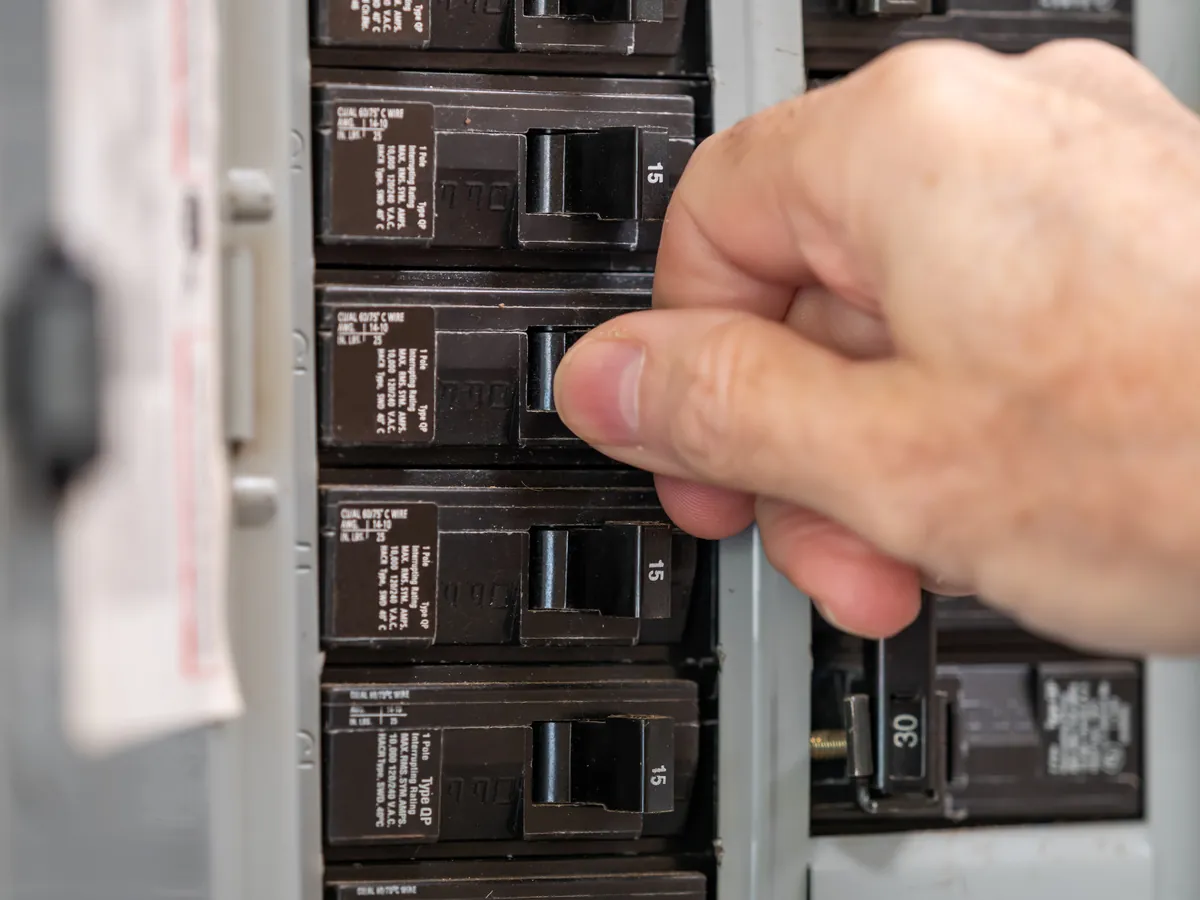
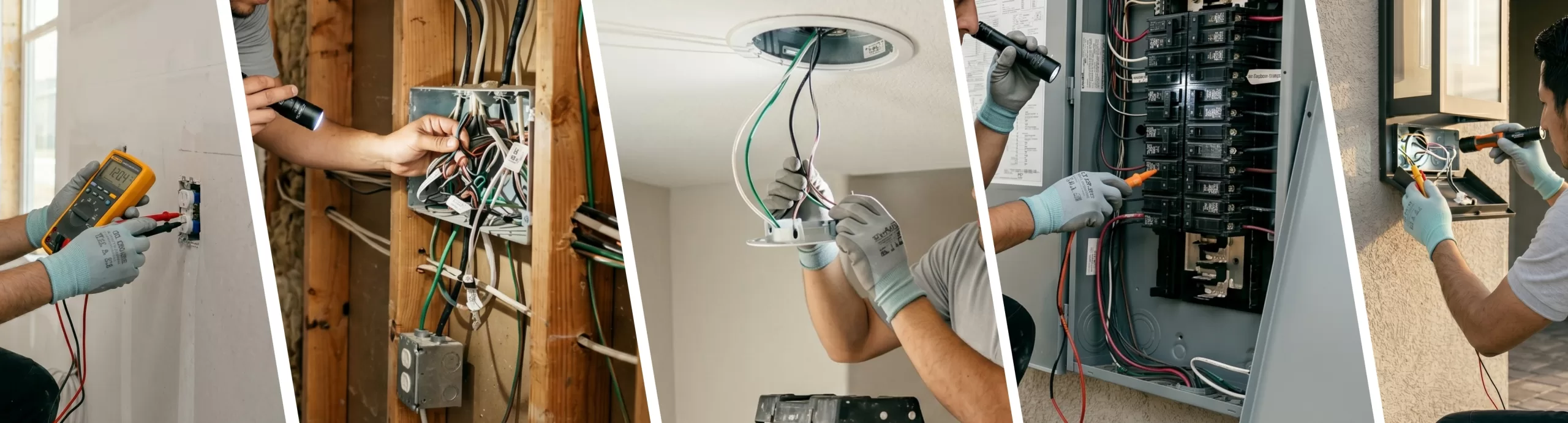
A standard home inspection in San Diego frequently fails to analyze the technical elements required to identify failures in out of date wiring or old electric panels common in California.
San Diego’s unique blend of coastal homes, historic neighborhoods, and modern developments creates a certain risk profile for homebuyers. Homes in older neighborhoods such as North Park, Kensington, Hillcrest, and Mission Hills often rely on infrastructure designed for an era with vastly lower power demands.
The main driver of electrical system failure in San Diego is the difference between historical engineering and modern loads. Pre-1980 homes were not designed for the simultaneous draw of HVAC systems, electric vehicle (EV) chargers, and high-tech home offices.
A risk factor unique to San Diego’s coastal real estate is salt-air corrosion. In communities like La Jolla and Coronado, this environment makes the oxidation of electrical components faster. This corrosion can lead to:
Several brands of electrical panels manufactured between 1950 and 1980 have documented failure rates that make them a target for mandatory replacement in San Diego transactions, read more about it here
Older fuse boxes are still found in some properties, they are generally rated at only 30-60 amps. Modern San Diego households typically require a minimum of 200 amps to support contemporary life, including air conditioning and EV charging.
San Diego homeowners must navigate specific state and local regulations that impact electrical upgrades and inspections.
Upgrading a system post-inspection may qualify for various local and federal subsidies. Please note that all rebate applications and incentive claims are the sole responsibility of the property owner.
Advanced Home Upgrade Program (SDG&E): Customers may be eligible for incentives up to $5,500 for comprehensive energy upgrades.
EV Charger Rebates: Programs such as the Pre-Owned EV Rebate can provide up to $4,000 for eligible customers to help offset panel upgrade costs.
Federal Tax Credits: Under the Energy Efficient Home Improvement Credit, homeowners may claim up to $600 for electrical panel upgrades that support energy-efficient improvements.
Disclaimer: Our company does not process, manage, or guarantee the approval of any rebates or credits. The homeowner is responsible for verifying eligibility and submitting all required documentation directly to the providing entities (SDG&E, IRS, etc.).
To manage the risks of home ownership in Southern California, prospective buyers should:
By treating the electrical inspection as a relevant tool, San Diego homebuyers can protect their physical safety and ensure their investment is built on a solid foundation.
Schedule an inspection today!